
When preparing to sell or purchase a home, most people focus on what they can see — the roof, the HVAC system, the kitchen finishes. But one of the most important systems in your home runs quietly underground: the sewer line.
At Gold Key Inspection Services, Inc., we often recommend a sewer scope because it gives buyers and homeowners clarity about a major component that can be costly to repair if overlooked.
What Is a Sewer Scope Inspection?
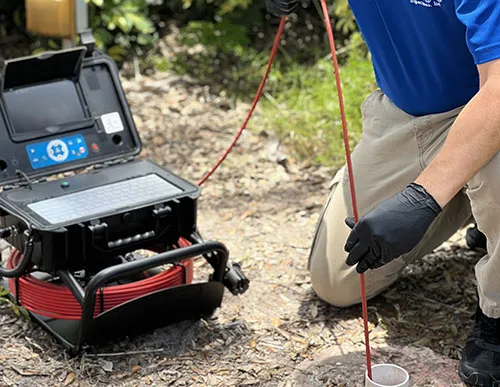
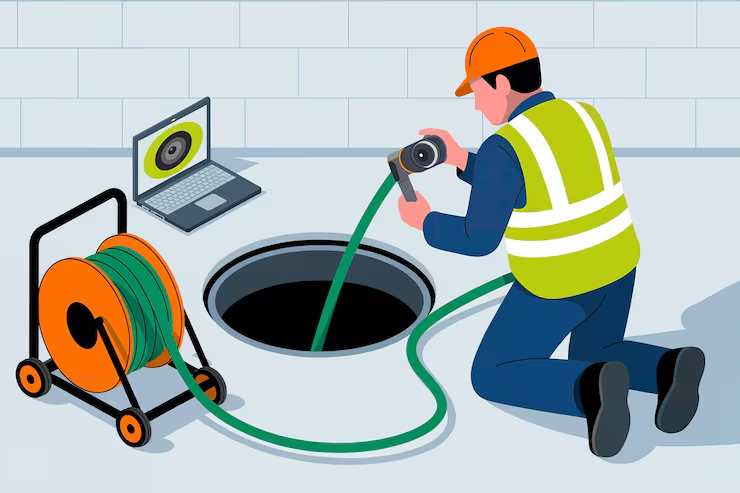
A sewer scope inspection uses a specialized waterproof camera attached to a flexible cable. The camera is inserted into the home’s lateral sewer line — the private pipe that carries wastewater from your sinks, showers, and toilets to either: a private septic tank, or the municipal sewer main.
It’s important to understand:
- The lateral line is owned and maintained by the homeowner.
- The municipal main line is maintained by the city.
- A sewer scope examines only the lateral line — not all interior plumbing throughout the house.
The camera travels from the home’s cleanout access point through the underground pipe, allowing the inspector to evaluate its condition in real time.
Why a Sewer Scope Matters
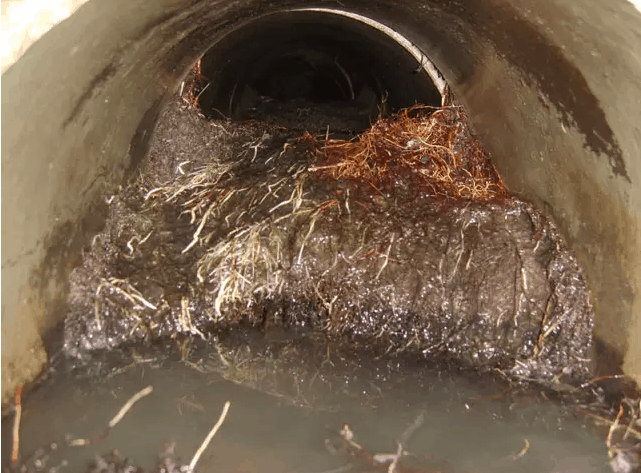
Sewer lines can develop problems that are invisible from inside the home, including:
- Tree root intrusion
- Cracks or fractures in older clay pipes
- Pipe separation at joints
- Bellied (sagging) sections that trap waste
- Blockages or buildup
A damaged sewer lateral can lead to slow drains, backups, yard sinkholes, or unpleasant odors. Repairs can range from minor cleaning to full line replacement — which can be a significant expense.
For buyers, a sewer scope provides peace of mind.
For sellers, a pre-listing sewer inspection can prevent last-minute surprises that delay closing.
How a Sewer Cleanout Works
The cleanout is the access point inspectors use to insert the camera.
You’ll typically recognize it as:
- A 3–4 inch capped pipe
- White, black, or sometimes encased in a small plastic box
- Located near the foundation, garage, basement, or a bathroom wall
It is often found:
- Along the exterior wall
- In landscaping beds
- Near decks or patios
- Inside a basement floor
Some homes built before the late 1970s may not have a dedicated cleanout. In those cases, access may need to be made through an alternative plumbing entry point.
3 Easy Steps to Prepare for a Sewer Scope Inspection
- Locate the Cleanout
Find the main sewer cleanout near the home’s exterior wall, yard, garage or basement.
If you’re unsure:
- Check landscaping beds
- Look for a capped pipe protruding from the ground
- Review prior plumbing records
2. Clear and Provide Access
Inspectors need safe, unobstructed access to the cleanout.
- Remove dirt, mulch, plants, or rocks
- Move outdoor décor or stored items
- Trim vegetation around the area
- Ensure the cap can be removed
If the cleanout cover is damaged during removal, we will do our best to replace it.
3. Ensure Proper Drain Flow
Before the inspection:
- Run water through sinks, tubs, and showers
- Address known clogs or slow drains
Clear water flow allows the camera to move smoothly and provides a more accurate assessment.
Should Sellers Get a Sewer Scope Before Listing?
Many proactive homeowners choose to perform a sewer scope before putting their home on the market. This allows time to:
- Address small issues before they become negotiation points
- Avoid escrow delays
- Strengthen buyer confidence
In competitive markets, transparency builds trust.
The Bottom Line
Your sewer line may be underground, but its condition can significantly impact your home’s value and livability. A sewer scope inspection offers clarity about a system most homeowners rarely think about — until there’s a problem.
At Gold Key Inspection Services, Inc., we believe informed homeowners make confident decisions. Whether you’re buying, selling, or simply maintaining your home, understanding your sewer lateral is an important part of protecting your investment.
If you have questions about sewer scopes or would like to schedule one, our team is here to help.
Leave a Reply